
How to recognize a quality oil?
The sensory analysis of olive oil
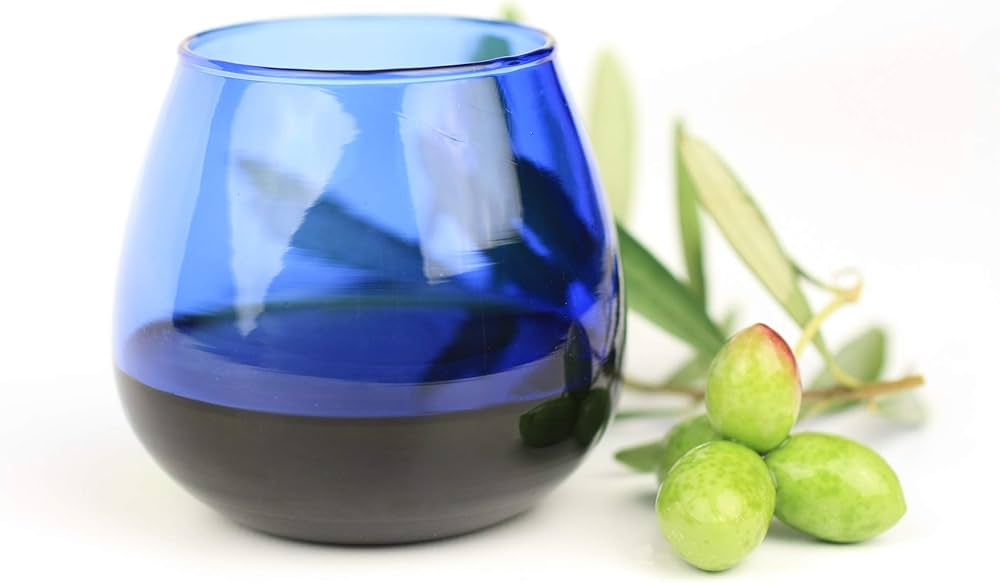
When we buy an olive oil, we are often guided by factors that may influence our choice, such as a well-designed packaging or specific references to the territory in which it is produced.
Knowing how to recognize a high quality olive oil is however far from obvious and requires a certain type of sensitivity and preparation on the part of those who taste in understanding the real organoleptic characteristics of the product.
Tasting olive oil is a process in which, except for hearing, all our senses come into play and, if stimulated, allow us to start the organoleptic evaluation process.
Visual examination
The colour of the oil is, among others, the most marginal parameter that can only indicate the level of ripening of the olive at the time of harvesting and subsequent processing. In the case of early harvesting, chlorophyll will be more present and the oil will therefore take on a green colour; conversely, the high presence of carotenoids will lead to the milling of an oil that is yellow in colour. Due to the low relevance of this parameter, which does not affect the quality of the product, blue glasses are used during the tasting, which can smooth out the chromatic differences.
Olfactory examination
This is the first fundamental step to enter into the tasting because it allows the perception of the smell from the orthonasal way, that is directly from the nose and then the aroma from the retronasal way, that is mediated by taste. During the tasting there is a specific technique that aims at the maximum expression of individual sensory capacity: once poured the liquid in the glass, preferably in glass, proceed with heating it with a cup hand, covering the glass with your other hand at the same time so that you concentrate the smells inside. The next step is a deep and repeated inhalation, which allows the smell and aromas present to be detected.
Taste test
The tasting process ends with the tasting of the oil, carried out through a specific method called stripping. This technique consists in emulsifying air and oil inside the oral cavity by a fast suction of air with narrow teeth, so as to distribute the droplets on the taste buds, also activating the perception of the aroma from the retronasal route. Through this step, the fundamental properties of the oil can be outlined such as intensity, structure and product quality.
Evaluation and classification
The recognition and attribution of positive and negative characteristics by the taster allows to define in terms of product the type of oil tested.
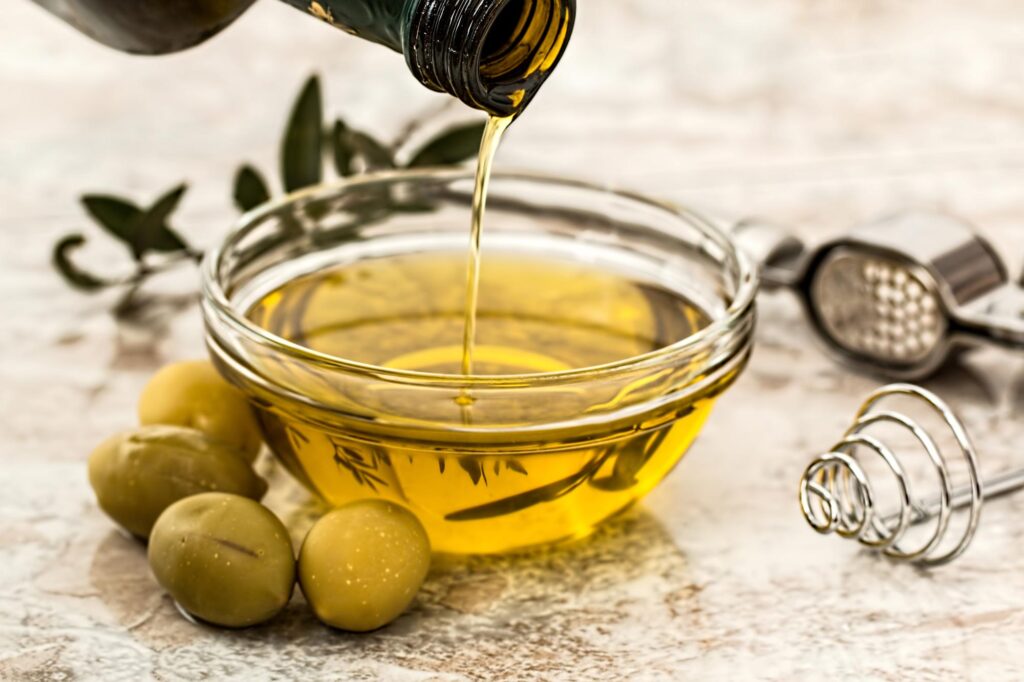
Virgin olive oils, which are obtained by mechanical extraction of the olive paste, can be classified into three categories:
- Extra virgin olive oil that does not have any tasting defects
- Virgin olive oil in which slight tasting defects are found
- Lamp oil which, due to marked anomalies, is not edible by Italian legislation.
For a complete attribution of the oil also certain chemical parameters analyzed by specific laboratories that allow to assess the quality and durability of the product, classifying it in the most correct way. The criteria are five: free acidity, peroxides, K232, K270 and deltaK.
For sensory analysis, the assessor can assign product strengths and weaknesses based on specific characteristics. The positive features include:
- The fruity, which can be “green” (with sensations of cut grass, olive leaf, green almond, green tomato, artichoke, etc…) or “ripe” (with aromas that refer to ripe fruit and berries).
- The bitterness, more pronounced in some varieties and characteristic of oils derived from olives harvested early.
- The spicy, always related to the variety and the harvest period.
All positive attributes are also influenced by the method and especially by the extraction temperature. In the event of errors, especially in the storage time before milling, processing or extraction temperature, the oil undergoes degradation processes that manifest themselves with perceptible defects to the nose and palate. The negative features include:
- The avvinato, or the smell of wine or vinegar, a symptom of aerobic fermentation of olives or olive paste
- The heat up, smell similar to that of olives in brine, caused by anaerobic fermentation and typical in case of olives stored for too long after harvesting
- The sludge, present in oils left too long in contact with settling sludge and typical of unfiltered oils
- The mold, with the characteristic smell caused by olive clutter in humid environments
- The rancidity, just of the oils not well preserved with intense oxidation and symptom of presence of free radicals harmful to health.


